Skip to content
Charming Bangladesh
en

Welcome to

23.8103° N 90.4125° E

Guided journeys through Bangladesh — rivers, ruins, tea country and Old Dhaka.

Routes
4
Regions
4
TripAdvisor
4.9 / 5
Start here
00Arrival

Rivers instead of motorways. Tea gardens instead of queues. Four hundred years of trade, empire and monsoon packed into a country a little larger than England — and, most days, nobody on the road ahead of you.

01Discover

Why Visit Bangladesh?

The eighth most populous country on earth, and one of the least visited. Four centuries of Mughal and colonial Dhaka, the world’s largest river delta, the biggest mangrove forest on the planet, tea hills in the northeast — and a welcome that treats a visitor as a guest rather than a transaction.

Old Dhaka, on foot01 / 08

Old Dhaka, on foot

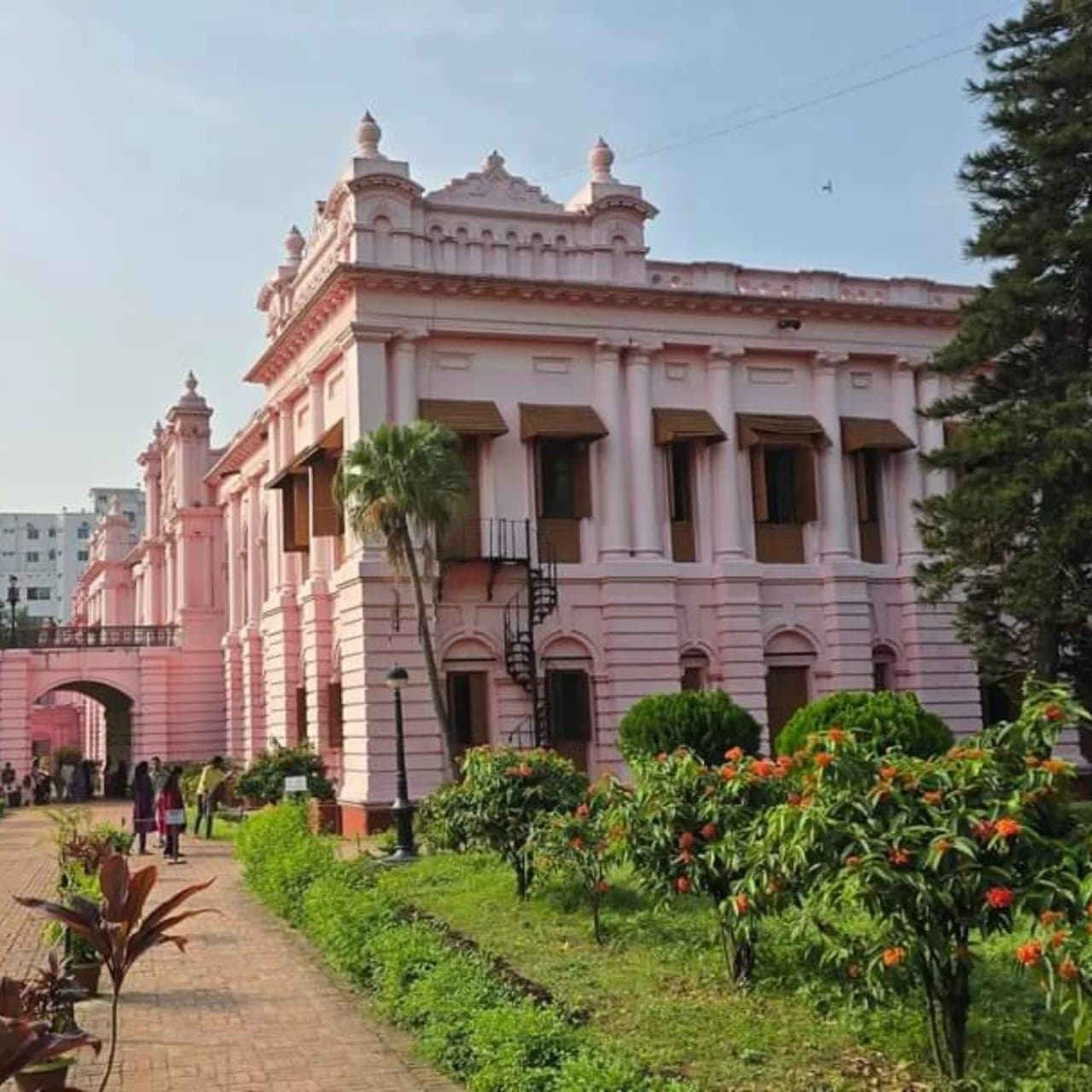
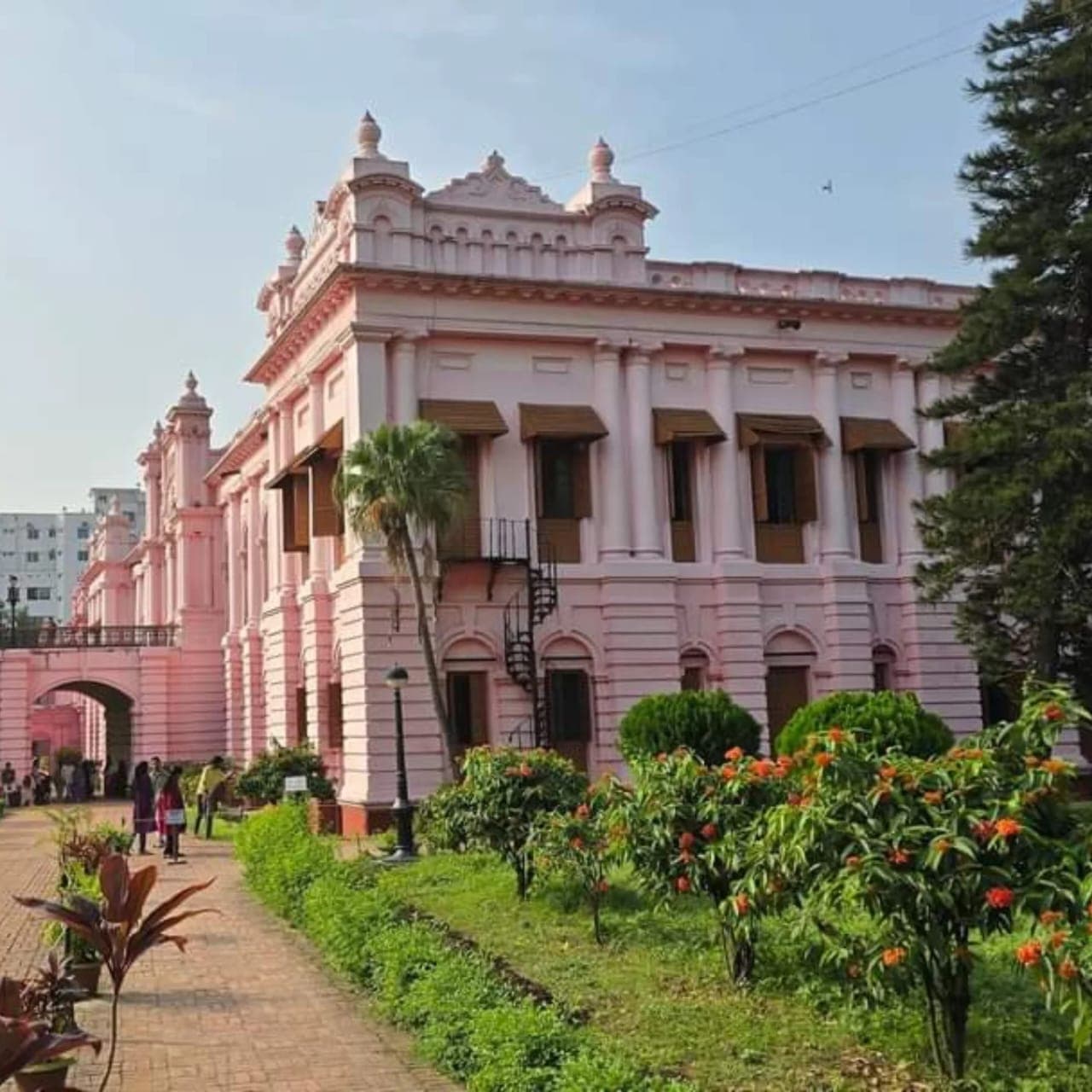
Ahsan Manzil's pink façade gets the photographs, but the lanes behind it are the reason to come. Shankhari Bazaar narrows to three metres. The Armenian Church still keeps its graves. Mughal mosque to goldsmith's workshop in a ten-minute walk.
Ahsan Manzil's pink façade gets the photographs, but the lanes behind it are the reason to come. Shankhari Bazaar narrows to three metres. The Armenian Church still keeps its graves. Mughal mosque to goldsmith's workshop in a ten-minute walk.
Cross the Buriganga at five o'clock02 / 08

Cross the Buriganga at five o'clock

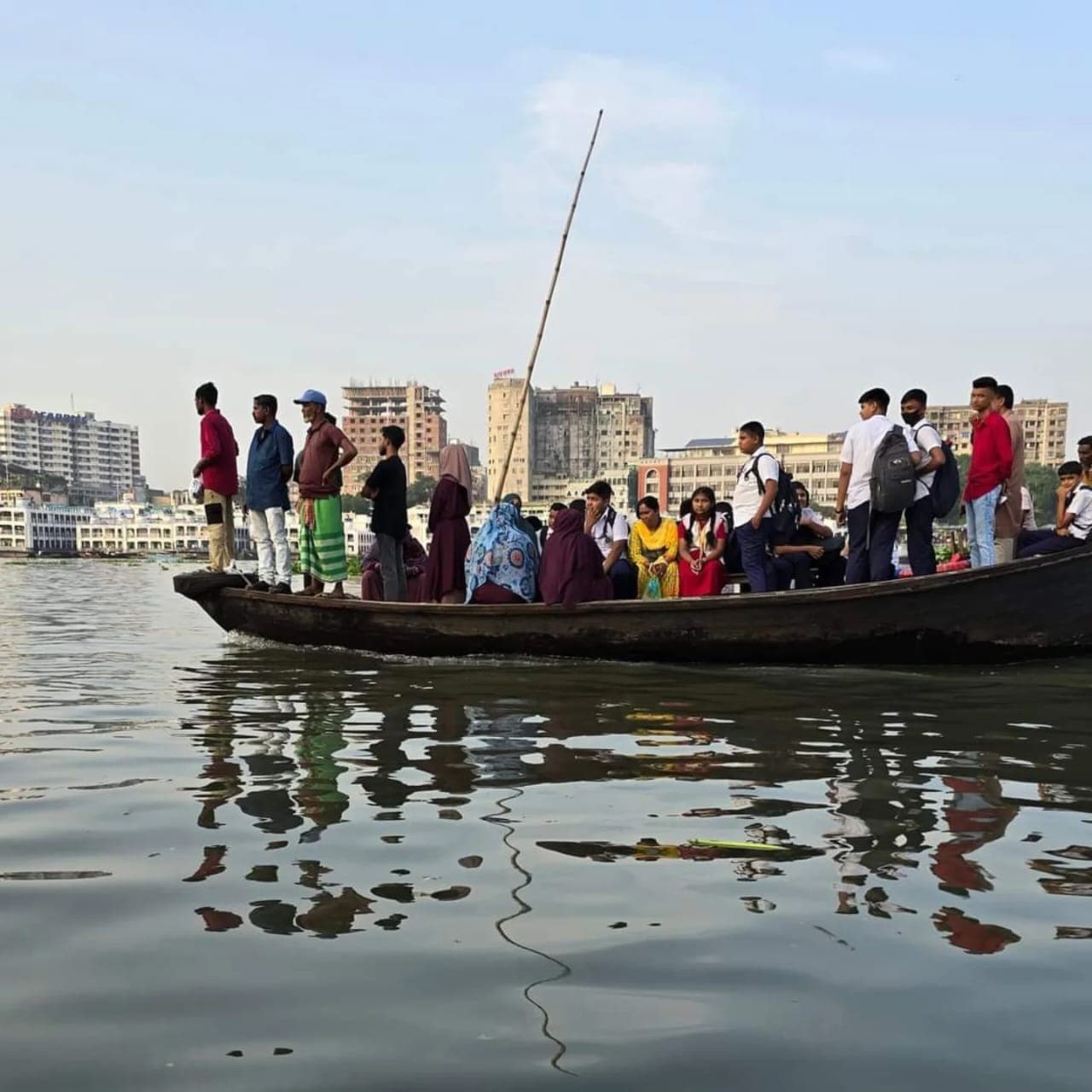
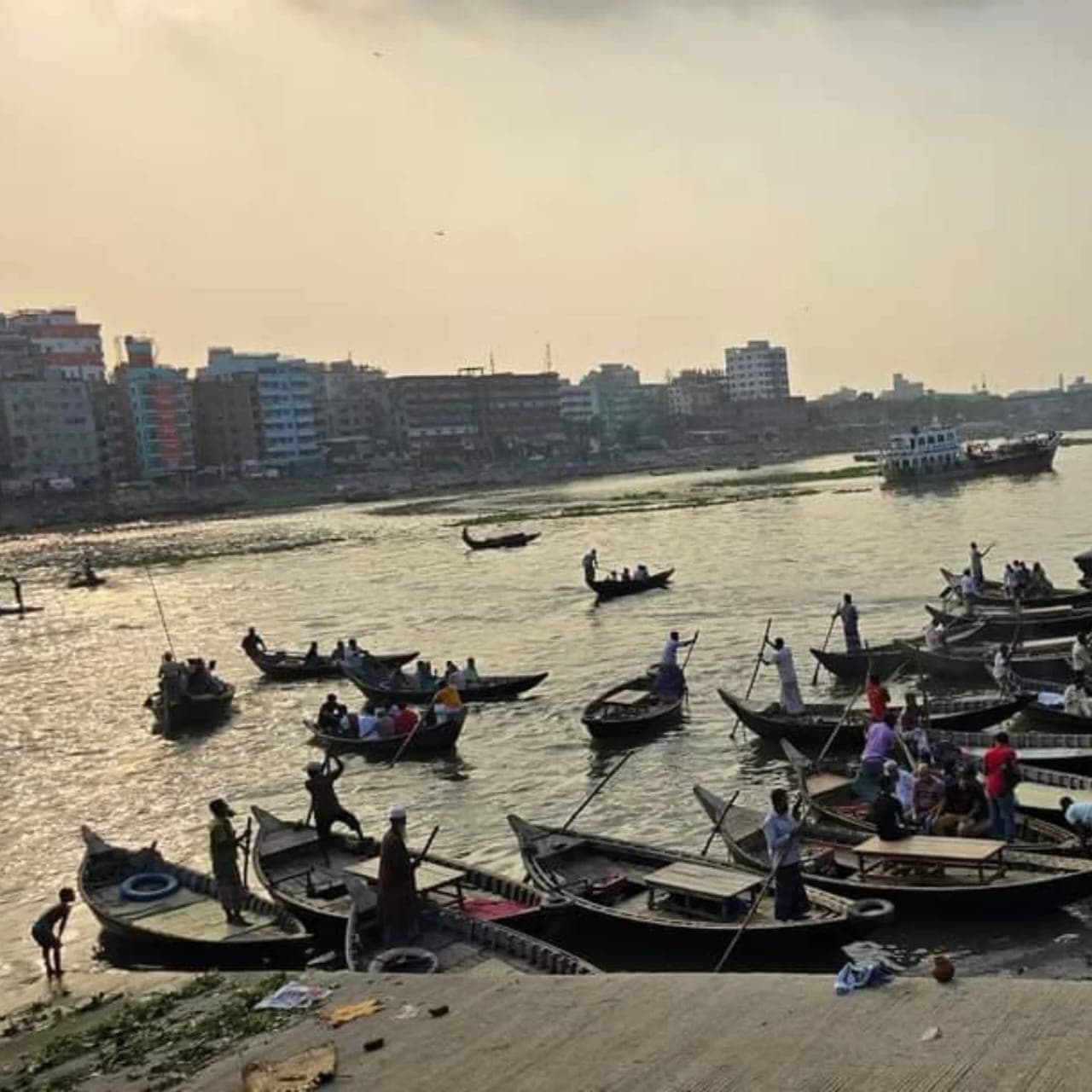
Hand-rowed sampans ferry commuters over the river all day for the price of a cup of tea. Go in the late afternoon, when the water turns copper and half of Old Dhaka is heading home by boat. It is the cheapest great experience in the country.

Hand-rowed sampans ferry commuters over the river all day for the price of a cup of tea. Go in the late afternoon, when the water turns copper and half of Old Dhaka is heading home by boat. It is the cheapest great experience in the country.

A country made of rivers03 / 08

A country made of rivers

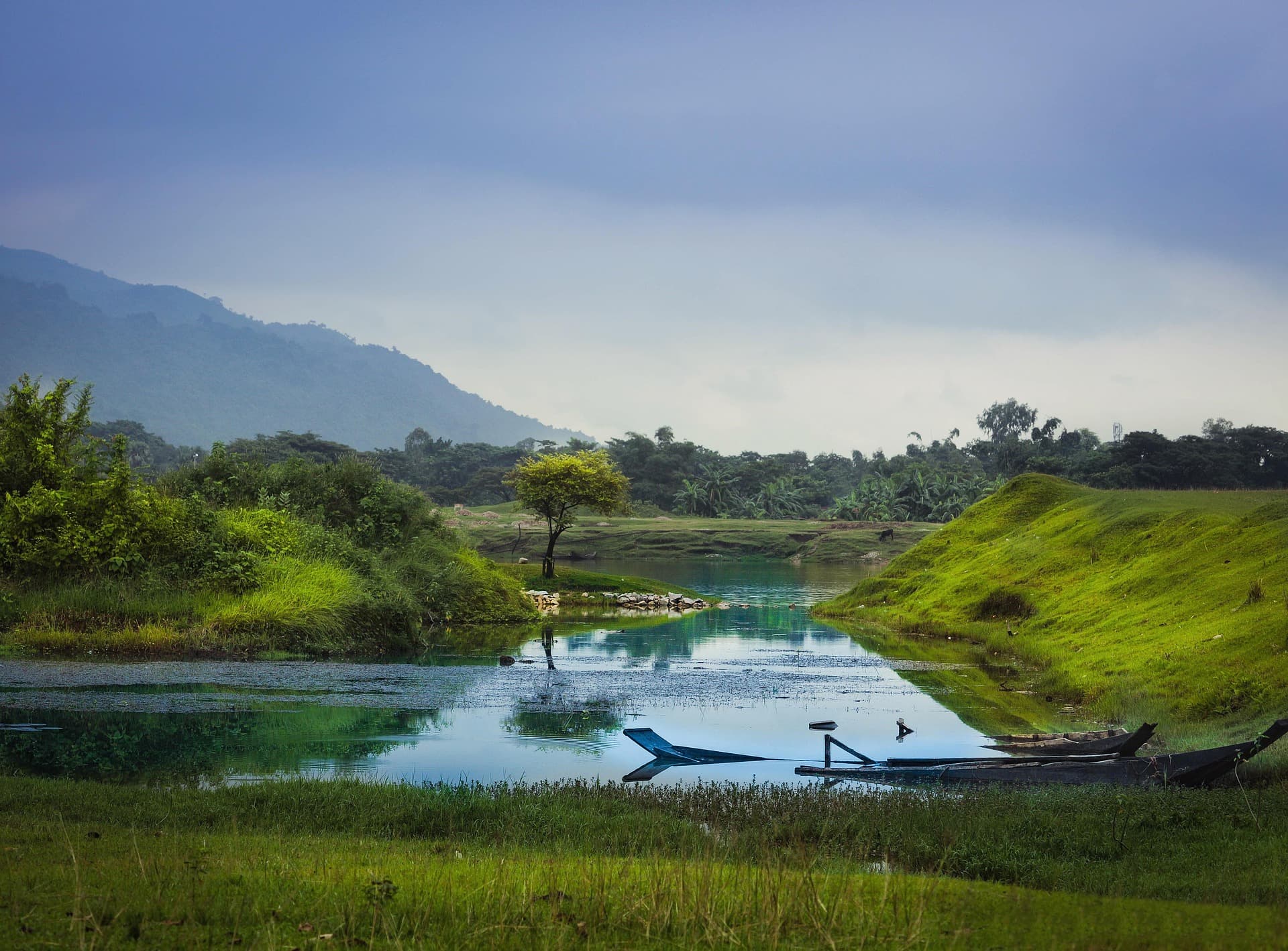
Bangladesh sits on the largest delta on earth — the Ganges, Brahmaputra and Meghna all finish here. Roads run out; boats keep going. At the southern edge the water disappears into the Sundarbans, the world's biggest mangrove forest and a UNESCO World Heritage Site since 1997.

Bangladesh sits on the largest delta on earth — the Ganges, Brahmaputra and Meghna all finish here. Roads run out; boats keep going. At the southern edge the water disappears into the Sundarbans, the world's biggest mangrove forest and a UNESCO World Heritage Site since 1997.

Above the cloud line04 / 08

Above the cloud line

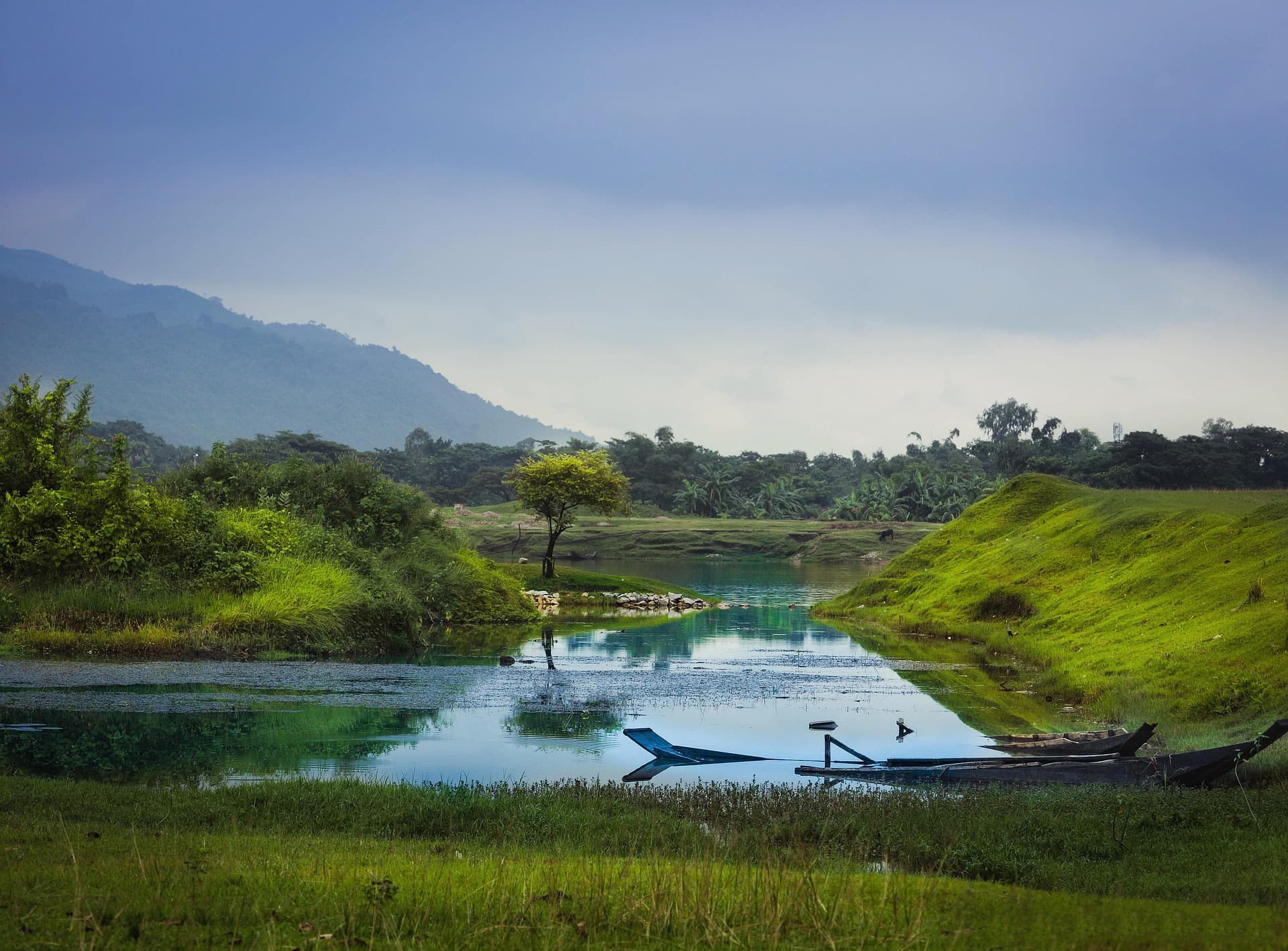
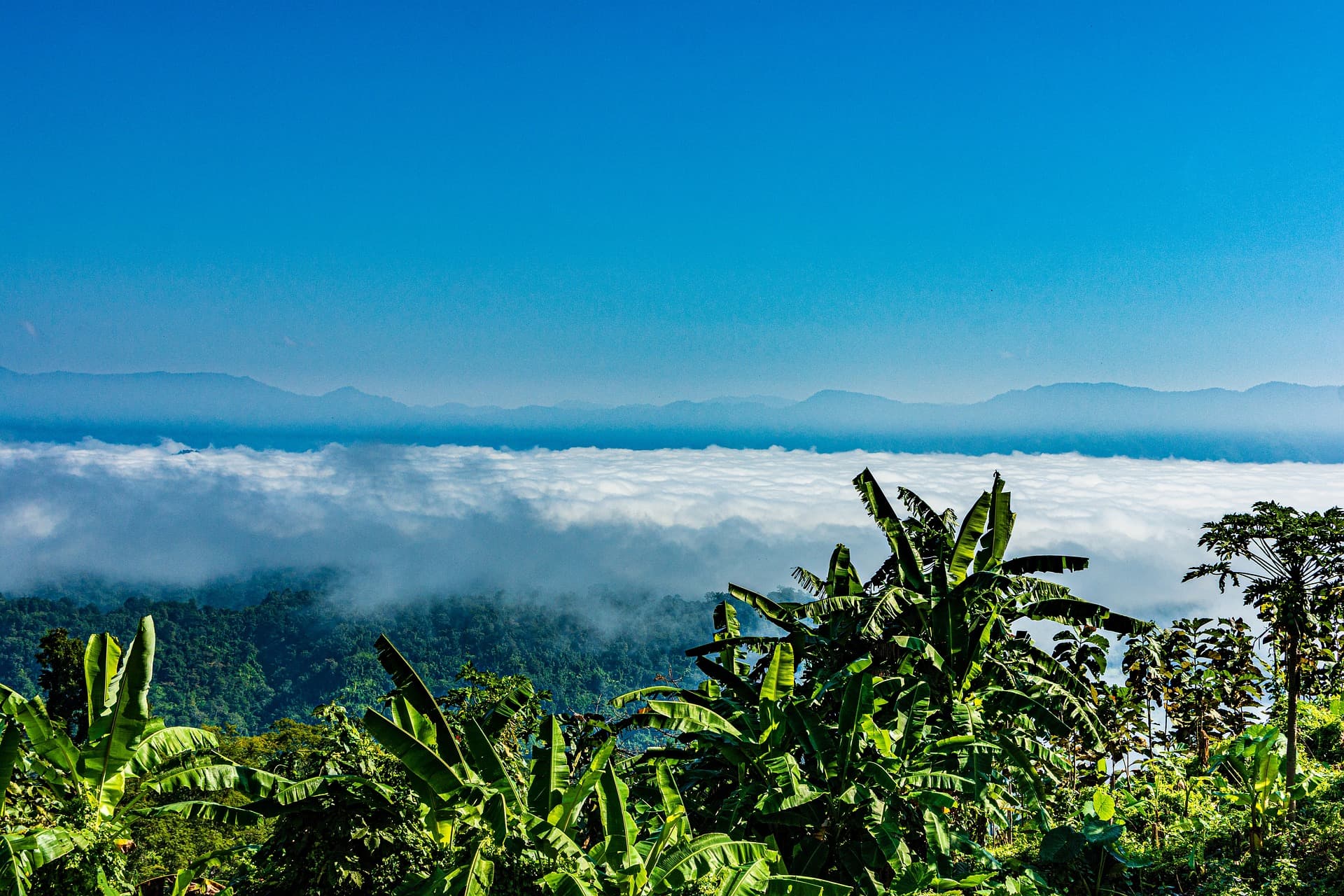
Nobody expects hills here. In the east the land lifts into the Chittagong Hill Tracts, where valleys fill with cloud overnight and you wake up looking down on it. Different peoples, different languages, banana palms where the rice should be.

Nobody expects hills here. In the east the land lifts into the Chittagong Hill Tracts, where valleys fill with cloud overnight and you wake up looking down on it. Different peoples, different languages, banana palms where the rice should be.

One of the busiest river ports on earth05 / 08

One of the busiest river ports on earth

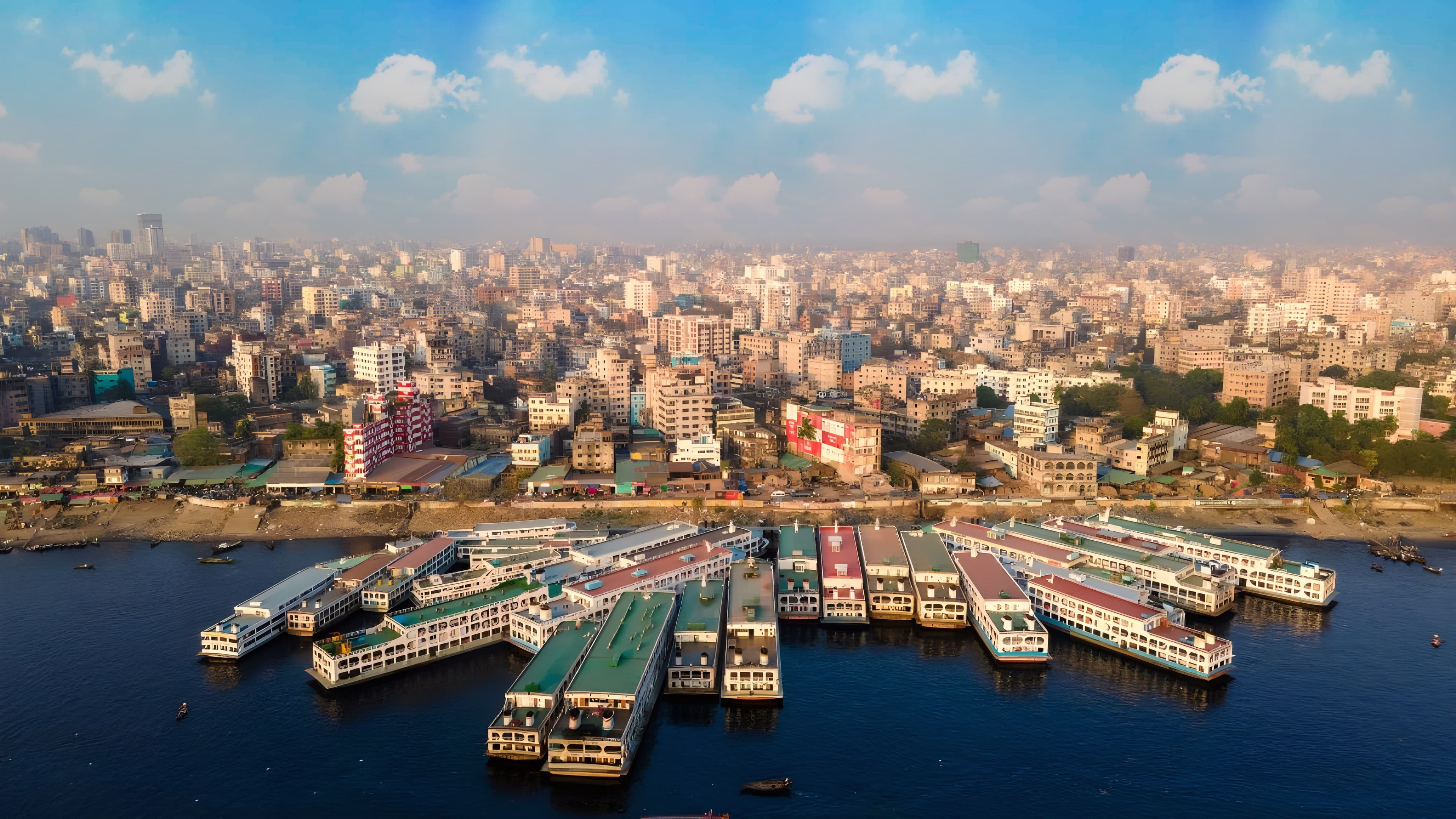
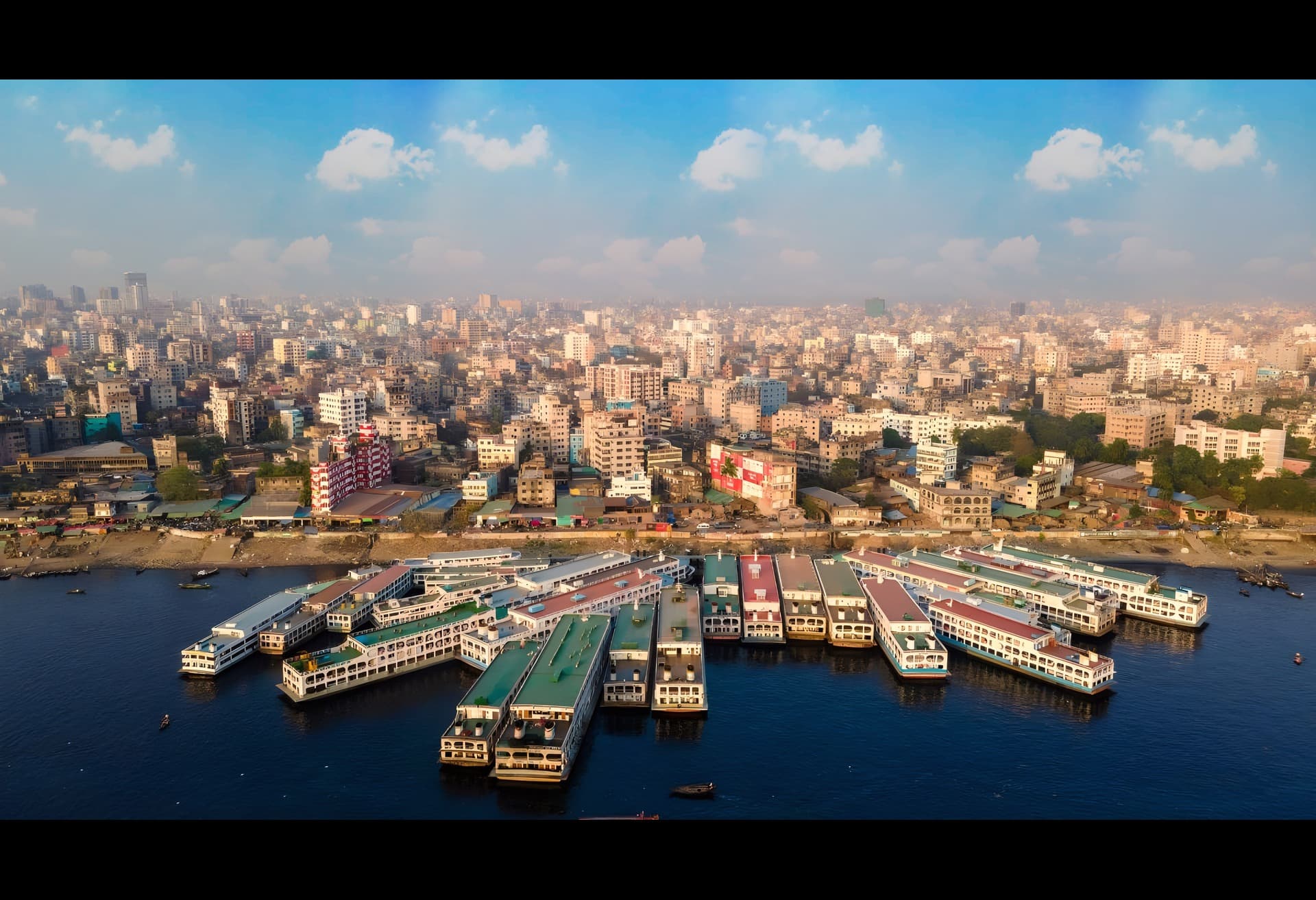
Thousands of people a day board the triple-deck launches at Sadarghat, which leave when they are full rather than when the timetable says. Stand on the terminal at dusk and you are watching a working city. Nobody is performing for visitors.

Thousands of people a day board the triple-deck launches at Sadarghat, which leave when they are full rather than when the timetable says. Stand on the terminal at dusk and you are watching a working city. Nobody is performing for visitors.

Louis Kahn's last great building06 / 08

Louis Kahn's last great building

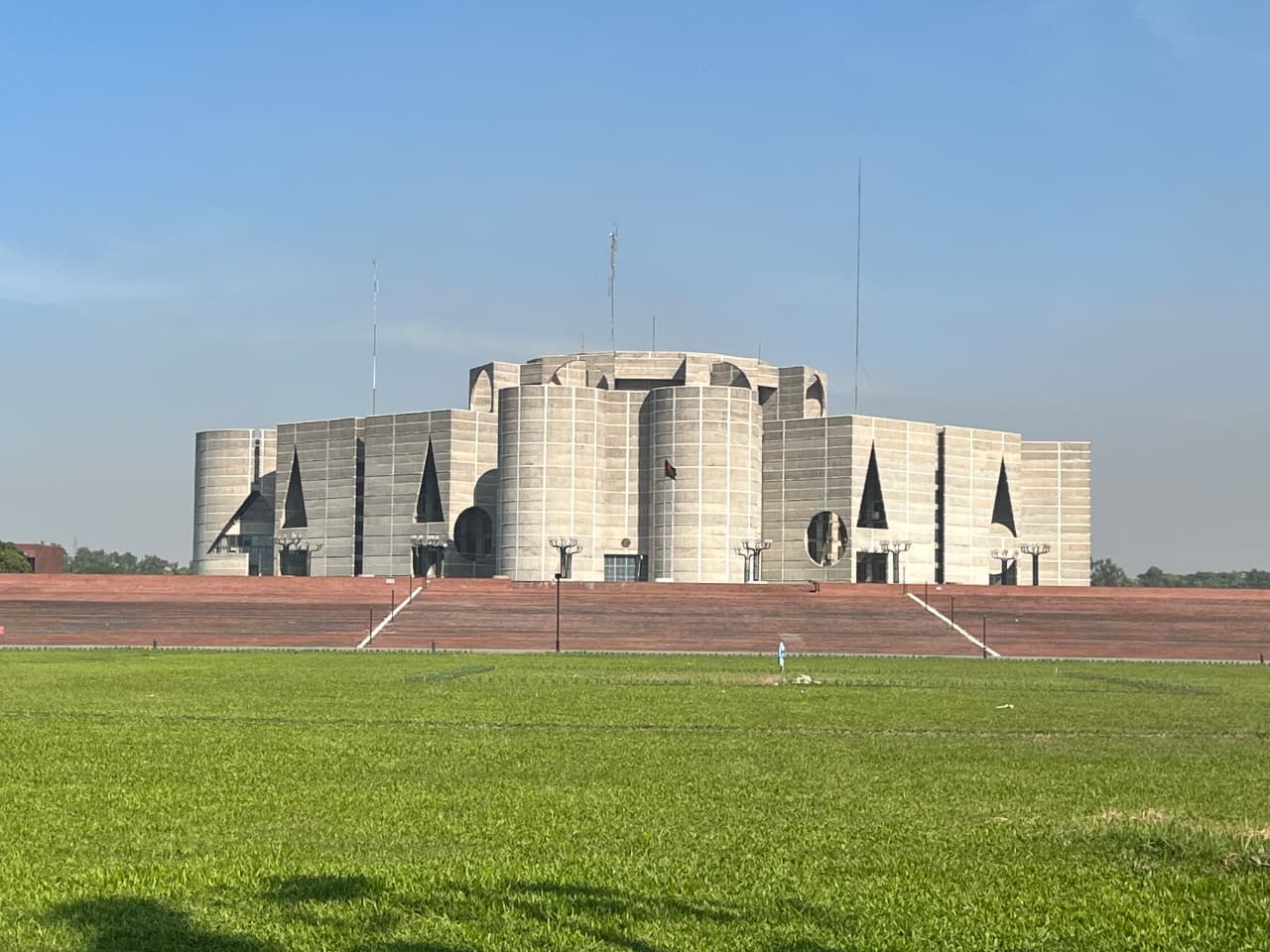
Dhaka's National Parliament turns up on most architects' lists of the finest buildings of the twentieth century — a concrete fortress cut with vast circles and triangles, sitting on its own lake. Kahn died before it was finished. Worth the detour even if architecture bores you.

Dhaka's National Parliament turns up on most architects' lists of the finest buildings of the twentieth century — a concrete fortress cut with vast circles and triangles, sitting on its own lake. Kahn died before it was finished. Worth the detour even if architecture bores you.

Markets that were not built for tourists07 / 08

Markets that were not built for tourists

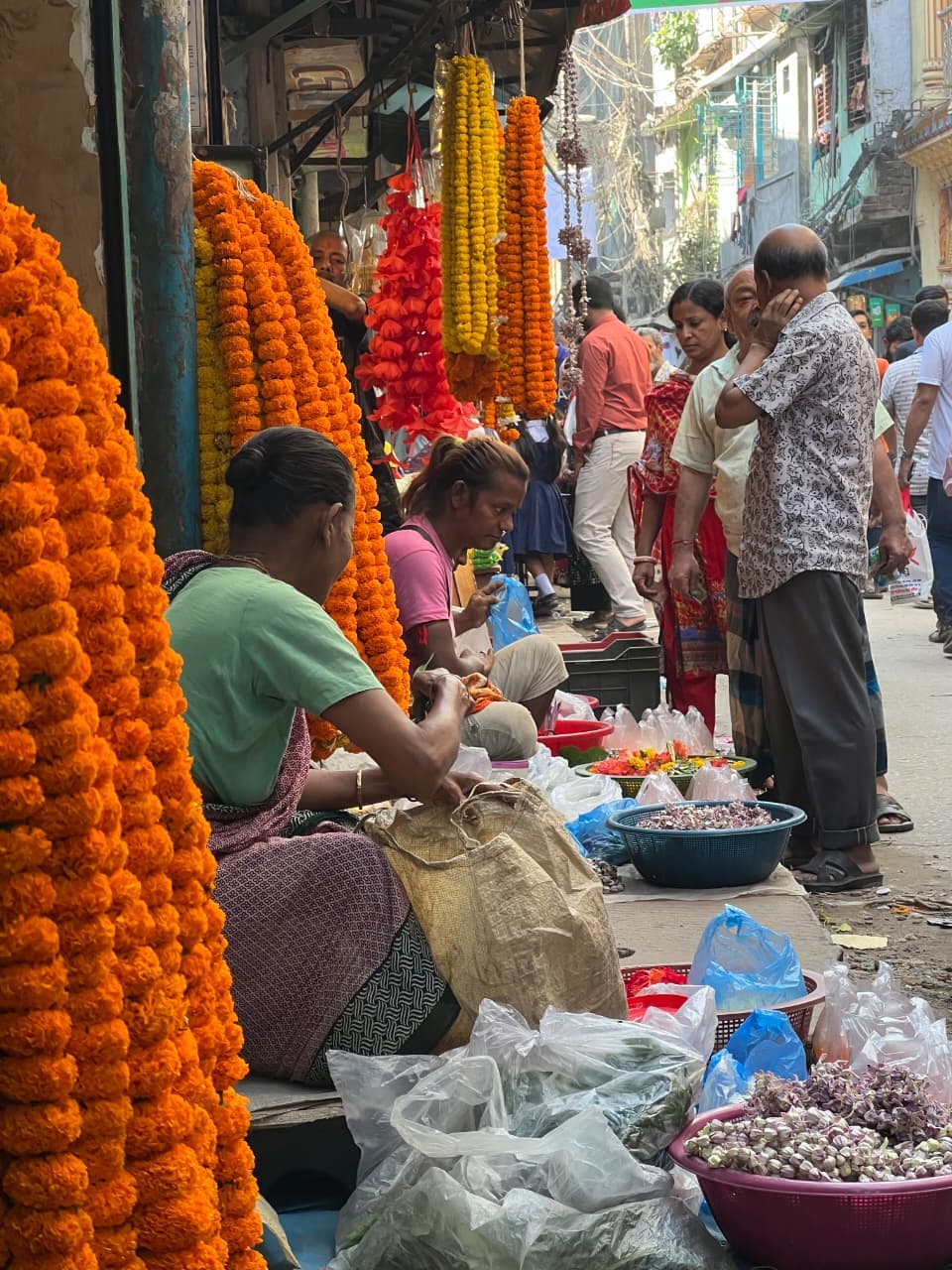
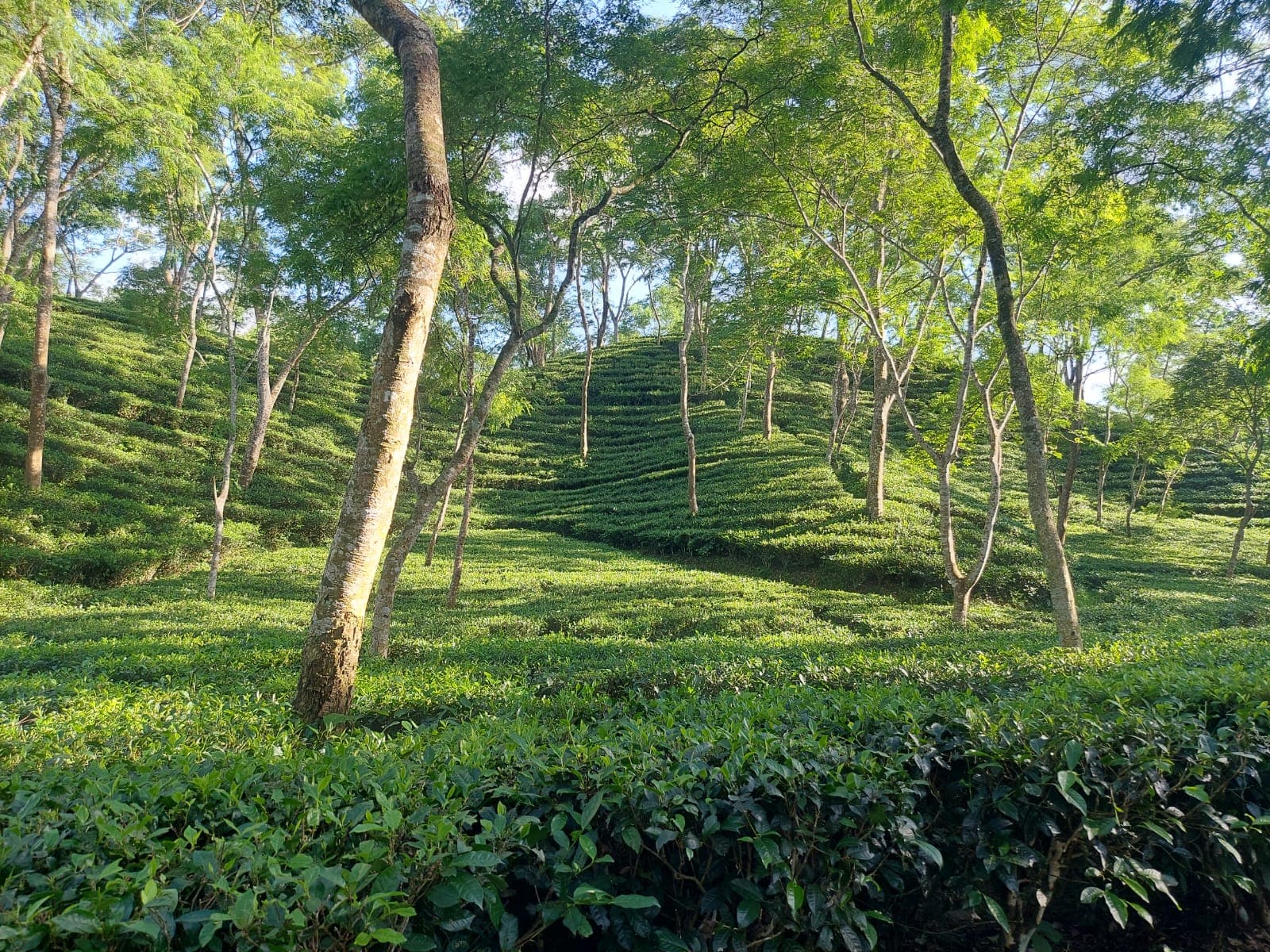
Marigold garlands by the metre at Shahbagh, hilsa and jackfruit at Kawran Bazar, conch bangles in the old town. Eat where the crowd is — kacchi biryani on a Friday, and the seven-layer tea they will tell you can only be made properly in Srimangal.

Marigold garlands by the metre at Shahbagh, hilsa and jackfruit at Kawran Bazar, conch bangles in the old town. Eat where the crowd is — kacchi biryani on a Friday, and the seven-layer tea they will tell you can only be made properly in Srimangal.

You will be the only foreigner on the boat08 / 08

You will be the only foreigner on the boat

Bangladesh receives a fraction of the visitors its neighbours do. That means no queues, no touts and no tour-bus schedule — and it also means being asked where you are from roughly forty times a day, usually followed by an invitation to tea.

Bangladesh receives a fraction of the visitors its neighbours do. That means no queues, no touts and no tour-bus schedule — and it also means being asked where you are from roughly forty times a day, usually followed by an invitation to tea.

01 / 08

02Choose

Tour Packages

Four routes we run ourselves, from a single day in Old Dhaka to four days in the tea hills. Small groups, and every one can be reshaped around your dates.

4 / 4 · journeys shown

No idea where to start?

Let the map decide

One tap picks a route at random from the four we actually run. No sign-up, no obligation — just somewhere to start imagining.

23.7086° N 90.4072° EOld Dhaka

04Plan

The practical part

The questions we answer most often, answered before you have to ask them.

01

Visas

EU, UK, US, Canadian, Australian and New Zealand passports can usually get a 30-day visa on arrival at Dhaka. Bring a return ticket and USD 500 in cash or a card. If there is a Bangladeshi mission near you, applying in advance is safer — we will confirm your case before you book.

02

Best season

November to February: dry, roughly 18–28°C, and the light is at its best. March to May is genuinely hot. June to September is monsoon — harder going, and the greenest the country ever looks.

03

Getting here

Most travellers connect into Dhaka (DAC) through Dubai, Doha, Istanbul, Bangkok or Kuala Lumpur. We meet you at your hotel, so there are no transfers to arrange at your end.

04

Money

Bangladeshi taka, and a cash-first country. ATMs are plentiful in Dhaka and dependable in the larger towns; carry notes for rural stretches. Cards work at hotels and rarely anywhere else.

05

Dress and etiquette

A Muslim-majority country that dresses modestly but is relaxed with visitors — shoulders and knees covered is plenty. Shoes off at mosques and in homes. Ask before photographing people; the answer is almost always yes.

06

Who comes

Small by design. Most routes run with two to twelve travellers, solo travellers included. Tell us about mobility needs, dietary needs or a fear of small boats and we will plan around them.

Straight answers

The things people actually ask

Most travellers arrive with the same handful of worries. Here they are, answered plainly rather than reassuringly.

01Is Bangladesh safe to travel in?

Violent crime against visitors is rare and petty theft is low by regional standards. The genuine risks are traffic and long road journeys, not people. Political demonstrations do happen, are usually announced in advance, and are easy to route around — which is a large part of what a local guide is for. Check your own government's travel advice before you book, and ask us about anything on it; we will give you a straight answer rather than a sales pitch.

02Is it comfortable for solo and women travellers?

Yes, and we host both regularly. Be ready for attention: staring is common, particularly outside Dhaka, and it is more tiring than it is threatening. Modest dress reduces it a great deal. Buses and trains have women-only sections, hotels are used to solo guests, and having a guide with you removes most of the friction. Several of the reviews on our TripAdvisor page are from women who travelled alone with us.

03What about food and water?

Drink bottled or filtered water only, including for brushing your teeth, and skip ice in places you do not know. Eat where the crowd is and where food is cooked to order — that rule alone avoids most trouble. Bangladeshi cooking is superb and not uniformly fiery; tell us in advance if you are vegetarian, vegan, coeliac or travelling with children and we will steer the day accordingly.

04Will anyone speak English?

Your guide will, fluently. English is widely spoken in hotels, restaurants and by educated urban Bangladeshis, so Dhaka is straightforward. Once you are in villages and small towns it thins out quickly. Learning to say assalamu alaikum and dhonnobad will earn you more goodwill than you would expect.

05How physically demanding are the tours?

Day trips in Dhaka involve several hours on foot over uneven pavements, in heat, and in traffic — that is the main effort. The multi-day routes are not strenuous but do involve long transfers by road and boat, and simpler accommodation once you are away from the cities. Tell us about knees, backs, heat tolerance or a dislike of small boats and we will plan a version that works.

06Can you build a route around us, and how far ahead should we book?

Yes — most of what we run started as somebody's request. Send dates, rough interests and how long you have, and we will draft something. Two to four weeks' notice is comfortable for a day trip; for the Sundarbans or a multi-day trip in the November-to-February high season, aim for a couple of months, since boats and permits fill up.

05Begin

Send your dates and we will come back within a day with a route, a price, and an honest opinion about what is worth your time and what is not.

tours@charmingbangladesh.com

Chat on WhatsApp